



Beyond Tuition: What Nursing Clinicals Really Cost (and How to Plan for Them)
 By Thomas Reams, Chief Financial Officer, Nightingale Education Group
Most new nursing learners know what tuition will cost long before they set foot in a classroom or log in to their first online session. That number is rarely a mystery.
What often catches learners off guard is everything else. Clinical placements, supervised practice experiences in care settings, often come with out-of-pocket costs for learners, and those costs can vary significantly from one program to the next. Planning for them is just as important as budgeting for tuition.
What is clinical placement?
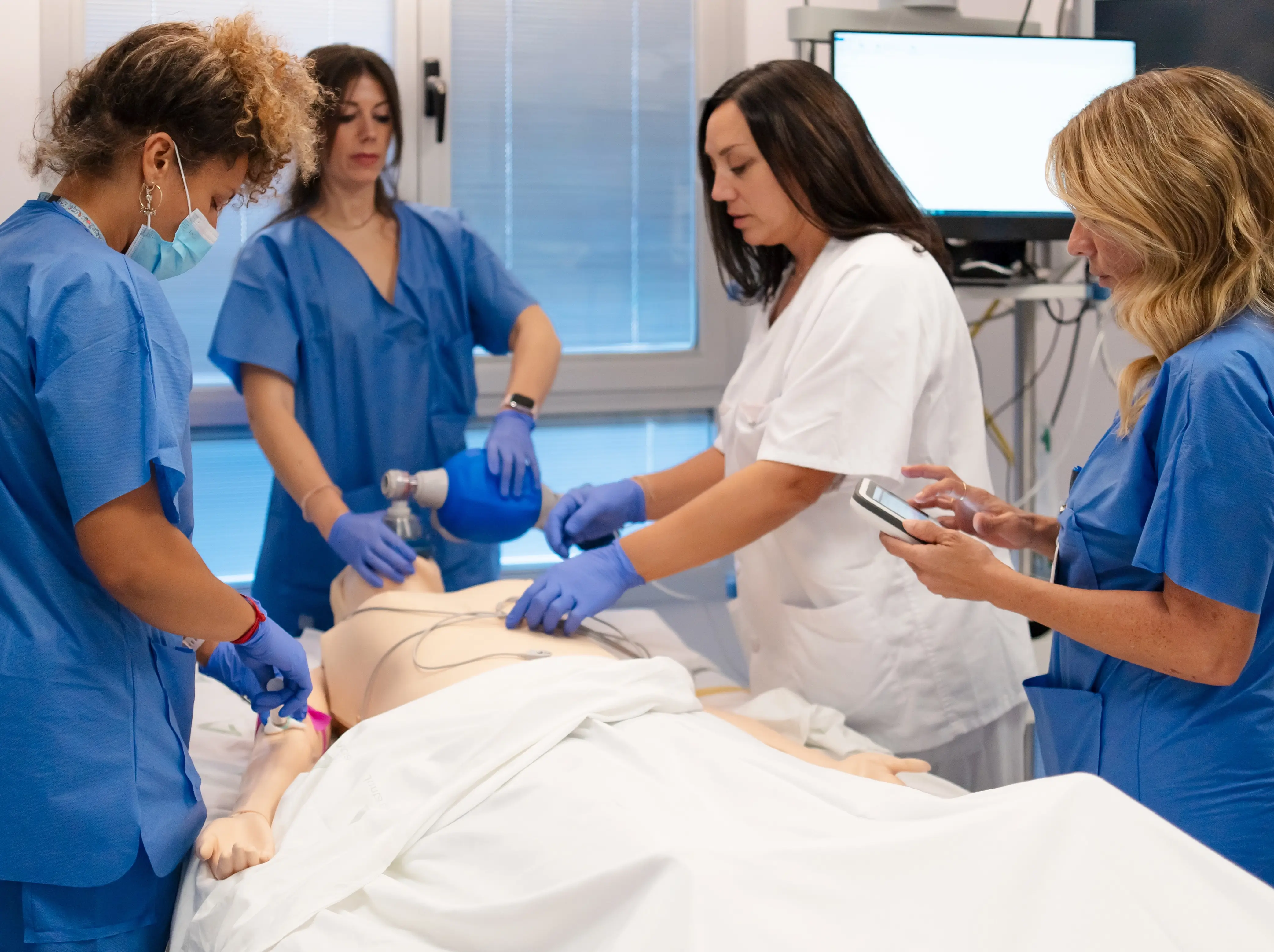
Clinical placement is where nursing learners put classroom theory and lab skills into practice through supervised training in hospitals, clinics, long-term care centers, and other healthcare settings. Every nursing program requires a set number of clinical hours before a learner can graduate and apply for a license with a state board of nursing.
How many hours are required and how they are scheduled depends on the program and the state. Some programs incorporate weekly clinical days at local facilities alongside coursework. Others schedule hours in concentrated blocks or end with a preceptorship, where the learner works alongside an experienced nurse, called a preceptor, for several weeks.
Clinical placements are in demand
Finding placements is a challenge for nursing programs everywhere. The American Association of Colleges of Nursing (AACN) reports that U.S. nursing schools turned away 92,672 qualified applications to baccalaureate and graduate programs in 2025. Too few faculty, clinical sites, and preceptors were among the reasons. Graduate programs feel the same pressure. AACN found that 6,496 qualified master's applications and 10,359 qualified doctoral applications were turned away in 2025, largely because of shortages of faculty, preceptors, and clinical education sites. This isn't as large a problem for Nightingale because its educational model allows for remote engagement throughout the United States, opening access to clinical placements that are out of range for most ground-based programs.
Even then, that competition affects where learners end up. In a campus-based program, placements are usually within driving distance, though a learner may still be assigned to a site across town or in the next county. Online and hybrid programs often place learners across a much wider area. Nightingale College delivers coursework online and partners with healthcare facilities in 25 states, so its learners should be prepared to travel for clinicals.
What learners pay for clinical rotations
Whatever the program, clinical costs tend to fall into a few categories.
The first is getting there. Many learners drive to clinicals a few times a week for the entire semester, and those in campus-based programs are often commuting to class and labs on other days as well. Gas, parking, tolls, and meals away from home may seem small on any given day, but over a full semester they add up.
For learners placed farther from home, the costs shift to flights, lodging, rental cars, and meals for days or weeks at a time. At Nightingale, where coursework is online, learners plan thousands of dollars to cover semesters that include six to eight days of clinical travel, and even more for the final semester practicum, which keeps them away from home for at least four weeks.
The second is getting cleared. Before a learner can set foot on a unit, most facilities require a background check, a drug screen, immunization records, a TB test, and current CPR certification. Some also require proof of health insurance. Many programs use an outside vendor to track these requirements, and that vendor charges its own fees.
At Nightingale, the combined cost of the background check and tracking account is currently about $141, plus an $18 annual fee to keep the account active. Some learners pay more depending on their records or the state where they are placed.
The third is getting equipped. Learners typically buy their own uniforms, shoes, stethoscope, and any other supplies a site requires.
The fourth is easy to overlook: time away from work. Clinical shifts often occur during the day, on weekends, or in extended blocks. As a result, learners who work may need to reduce their hours or take unpaid time off, and parents may need additional childcare.
Planning ahead makes the difference
The good news is that these costs can be planned for. Before you enroll, or as early as possible, ask your program advisor how many clinical hours you'll need, where placements typically occur, how far learners usually travel, and what compliance requirements and fees to expect. Build those numbers into your budget alongside tuition. If your clinicals are local, estimate what a typical week costs in gas, parking, and meals, then multiply across the semester.
If your program ends with a preceptorship, budget for it as your single largest expense. Talk with your employer and family about schedule flexibility well before your placement dates. Ask your financial aid office how clinical expenses fit into your cost of attendance, since transportation and related costs are part of how aid eligibility is determined.
You don't have to figure this out alone. Your program advisor can walk you through current cost estimates and answer questions about where and when you might be placed. Starting the conversation early gives you time to plan, save, and focus on what matters most: building the skills to care for patients.