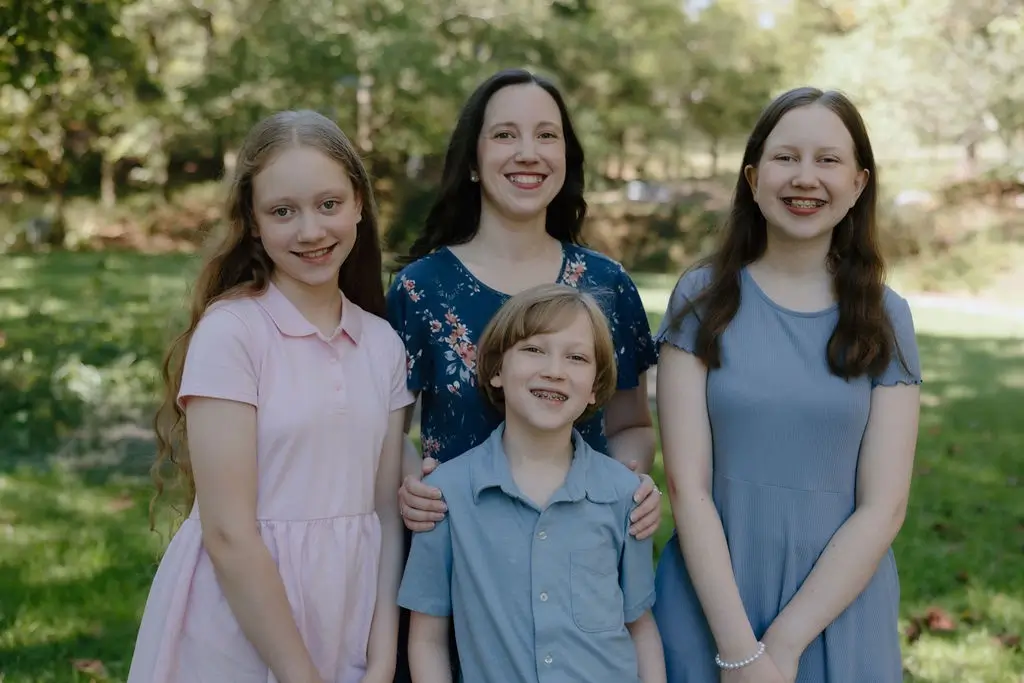



Meet Erika Carter: Helping Nightingale Learners Find Their Voice in the Writing Center
 Learners who have worked with Erika Carter often describe the same feeling: the pressure
eases. She is an instructor in Learner Resources in Nightingale College's Writing
Center, where she helps learners with writing, APA style, structure, clarity, and
formatting. The support is available for any course that includes a writing component,
not only English classes.
“We’re here to help learners fine-tune their writing to get help with APA,” said Carter. “But also, just making sure they know how to structure paragraphs, they know how to structure sentences, they know how to make their points and make things clear. And it's for all learners.”
What a session actually looks like
Learners can book one-on-one coaching sessions or submit papers for asynchronous review. In live sessions, they often share a draft and work through it together. Carter reads alongside them, pointing out what is working and what could be clearer. Some learners revise in real time on the screen; others prefer notes or a recording so they can revise later without pressure. Many more simply submit papers for written comments and receive feedback focused on areas they choose: organization, flow, APA, and so on. They select two focus areas on the form so the comments stay targeted.
“You can see them kind of warm up, especially if they’re newer,” she said. “They will be kind of nervous at first, but I tend to be very patient and gracious, and I’m not in a hurry. So you kind of see them warm up and get more comfortable and be willing to ask the questions.”
The goal is to strengthen the writing itself so the learners' ideas come through clearly.
How her own experience shapes the work
Carter’s approach is shaped by more than teaching experience. She lives in East Tennessee, which she still calls home after years spent elsewhere. As a military spouse for about 15 years, she lived in North Carolina, Alabama, and Japan (Okinawa, Iwakuni, and Sasebo), all places she still misses. Japan held a special pull. Since middle school, she had a hyperfixation on East Asian culture, particularly Japan. Living there felt like stepping into something she already knew deeply.
She is also a mom of three (ages 17, 12, and 10), whom she has homeschooled from the start. Carter was diagnosed as autistic in her late 20s after her first child received the same diagnosis. That background informs how she supports learners. She prefers written, asynchronous communication when possible, and she has learned to prepare scripts and fallback plans for live interactions that feel more performance based. The same awareness makes her especially attuned to learners who process differently.
“I have a lot of understanding and grace for learners because I know what it is to be differently brained than the expectation,” she said. “All three of my children inherited my brain. So I already kind of understand how to tailor directions and things like that when they're not clicking, like how they might need to be reworded or reapproached.”
Carter has seen this play out when a learner is stuck on an assignment. Sometimes the issue is not the writing itself but understanding what the prompt is asking. Carter will slow the conversation down, rephrase the expectations, and show how the pieces connect. “I’ve had that happen a few times where a learner does not understand what an assignment is asking them to do," she said. "Or they’re thinking they need to do way more than they need to do, and they will be so relieved. Like, oh my gosh, that makes so much more sense now! I can go start this.”
Carter also works with learners who simply want confirmation they are on the right track, those who need a sounding board to get ideas onto the page, and those who use the Writing Center regularly and build an ongoing relationship with a particular coach. Some return week after week; others come once they hit a high-stakes assignment like a capstone. The longer-term goal is confidence and independence, so learners do not need to rely on the center for every paper.
The part she enjoys most
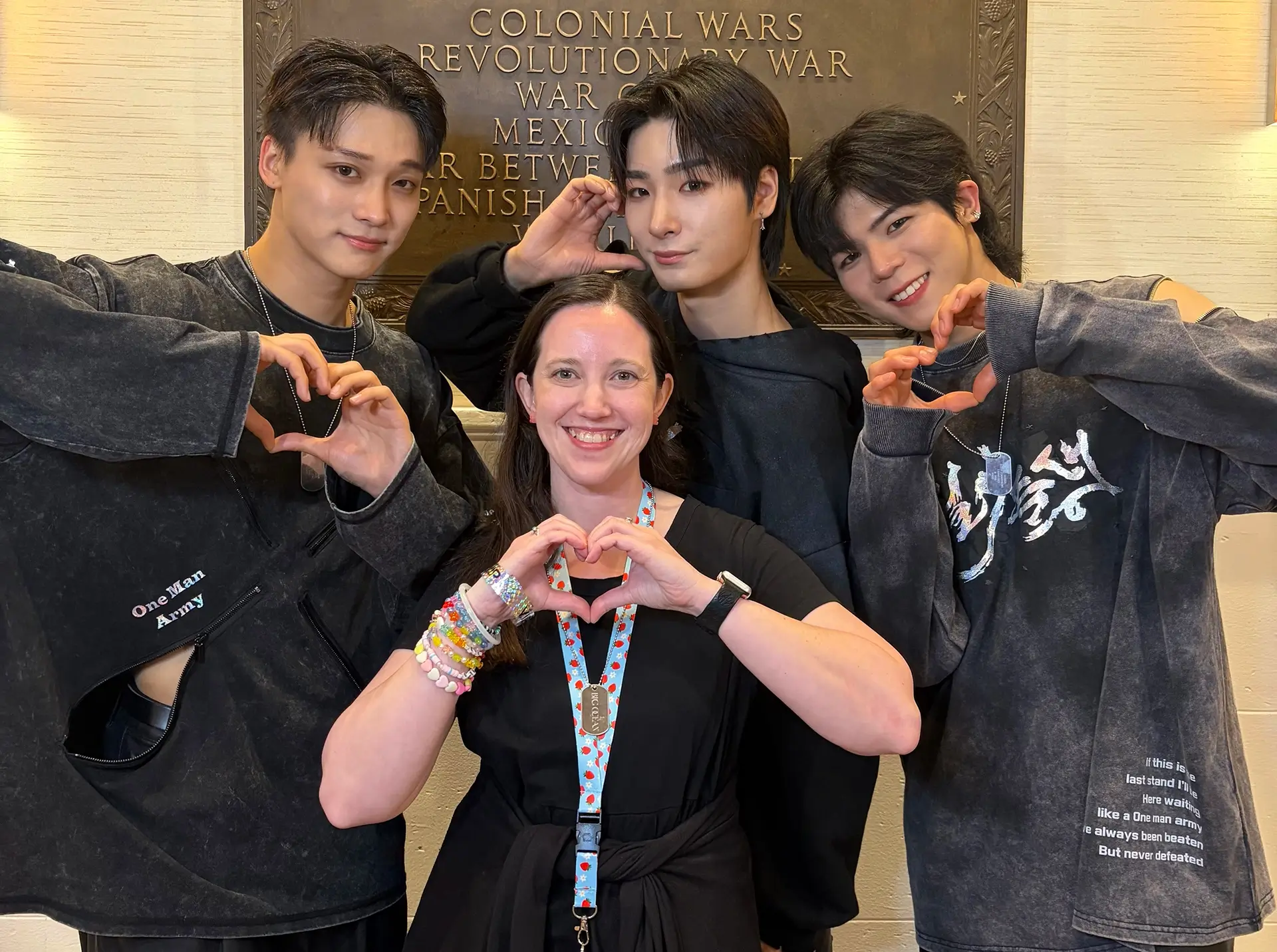
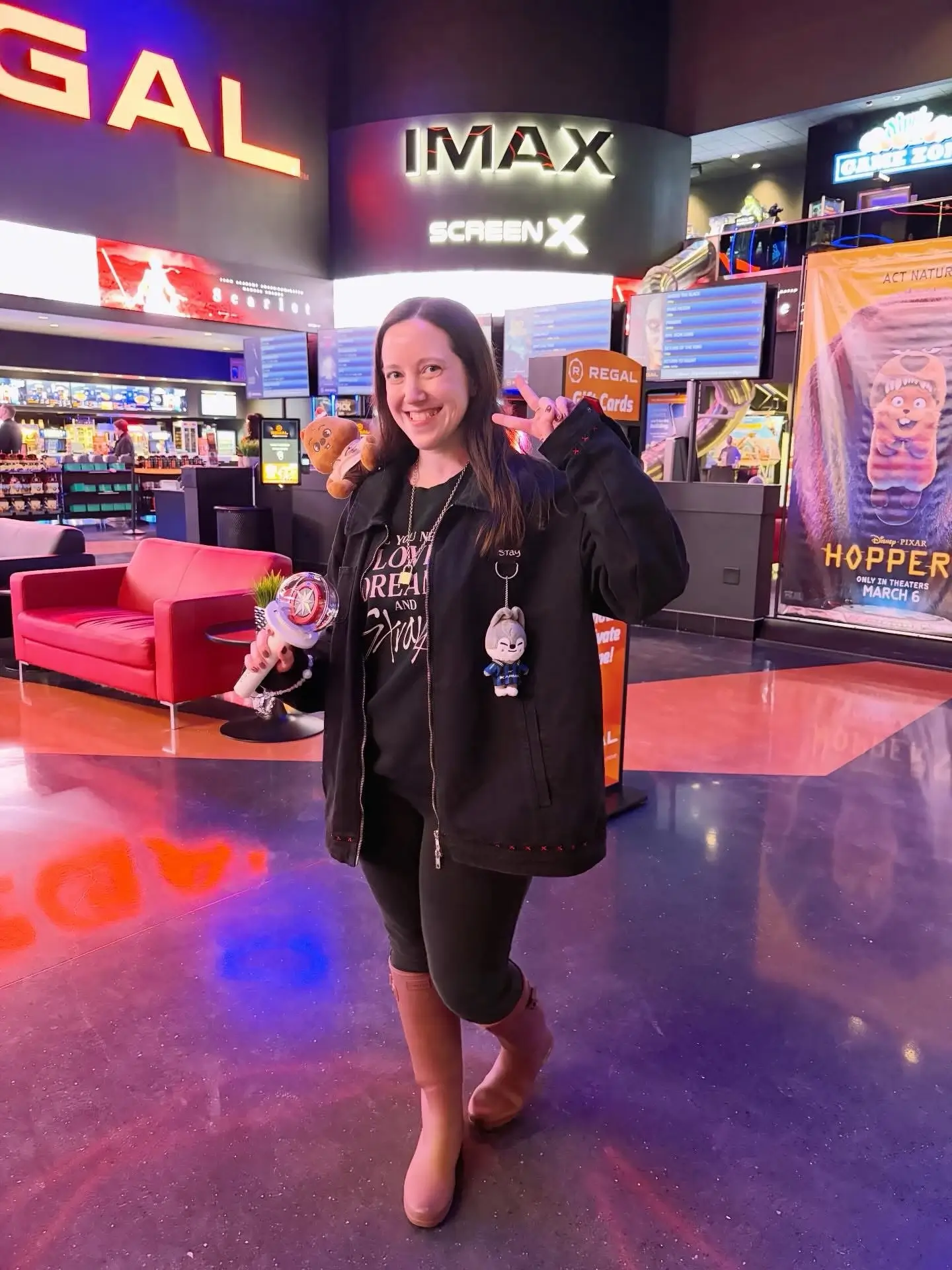
Outside of work, Carter stays connected to the things she loves. She and her teen bond over K-pop concerts and events, and she continues to write. One of her poems was published in Appalachia Bare. Those creative pursuits, along with her other hobbies, fuel the curiosity and playfulness she brings to helping learners find their own voice on the page.
“The thing I enjoy most about helping learners with writing is seeing individuals realize that they can write,” she said. “I feel like a lot of students in general have had somebody tell them they can’t. And that has become an inner voice that they’re not capable of this. I try to show that it’s a skill that can be learned. Yes, some people have a natural knack for it, but anybody can do it well enough if they just learn the skills and practice. So seeing learners develop confidence in their skills and be like, ‘Oh, I can do this.’ That's the best part for me as both a teacher and as a writing coach.”
Learners sometimes come back to share a strong grade or news that they are graduating. Those moments reinforce why the center exists.

For learners who haven’t reached out yet
Carter wants learners to know the Writing Center is low-pressure support, not an evaluation.
“If they’re kind of intimidated, they don’t need to be. Sending in a paper review isn’t something that requires them to be on the spot necessarily. We don’t grade, we don’t evaluate, we’re not instructors. So we’re kind of just an extra help when you need it. And there’s no judgment there—our job is to help them improve what they have.”
Learners can send discussion posts, reference pages, full papers, or even short sections. Early in a term, the center is often quieter, but demand tends to rise around capstone work. Carter and her colleagues try to meet people where they are while also helping them build enough independence that they do not need to rely on the center for every assignment.
In a school full of learners balancing coursework with jobs, families and other responsibilities, Carter brings the same patience, encouragement and judgment-free support to the Writing Center, helping learners build stronger writing skills and greater confidence one paper at a time.