


BSN Degree Guide: What Is It, How Long Does It Take & Why You Should Pursue It?

Key Takeaways About the BSN Degree
The BSN degree to advance your career as a registered nurse currently represents the preferred level of education, both for new nurses and for many employers. Earning it qualifies you for more secure, better-paying job opportunities than similar certifications. It helps you pursue your passion through various leadership roles, such as administrative or managerial roles.
However, becoming a BSN-prepared nurse requires thorough research and careful consideration. This is why we created a comprehensive guide for those who want to enroll in a BSN program and advance their career and education.
If you are interested in getting a BSN to become a registered nurse, here are the essential things to consider first and the extra tips and resources to get you started:
What Is a BSN Degree? Meaning and Importance
The Bachelor of Science in Nursing (BSN) is a three- to four-year undergraduate degree that prepares aspiring learners and provides the foundational education needed to become registered nurses (RNs). The degree encompasses nursing theory, practice, and research, covering clinical basics, nursing informatics, ethics, leadership, and management.
What Does a BSN Degree Do?
It is worth noting that, although earning a BSN is one path to pursuing your RN certification, it is not the only way, with professionals holding an Associate Degree in Nursing (ADN), Associate of Science in Nursing (ASN), or Associate of Applied Science in Nursing (AASN) fulfilling the requirements to become an RN.
What having a BSN degree does for your career is qualify you for more advanced positions, as well as leadership and management roles. It also serves as the foundation for advancing your education later on by earning a Master of Science in Nursing (MSN) in a field of your interest.
From a professional outcomes perspective, BSN-level education is also associated with better patient outcomes than ADN-level education. Additionally, the salaries of BSN-level RNs are higher than those of their counterparts with an ADN or similar degree. However, wages in the industry vary widely based on education level, role, and region where you practice, and you should consult our nurse salary by state and specialization report for a more comprehensive overview.
Read our ADN vs. BSN comparison for a more in-depth comparison of the two types of degrees RNs hold.

What Type of BSN Programs Can You Choose?
There are multiple ways to earn a BSN and obtain certification for RN practice, with the various educational routes differing in prerequisites and study period.
For a comprehensive and detailed description, you can consult our guide on getting a BSN degree.
However, the two main routes to earning a BSN are the full-time BSN program and intermediary RN-to-BSN or LPN-to-BSN paths.
Full-Time BSN Program
The full-time BSN program is a basic entry-level program dedicated to learners with little or no prior nursing experience and no RN certification.
Why Enroll in a Full-Time BSN Program?
Here are the reasons to consider enrolling in a BSN program:
- You aim to become a registered nurse without work experience in the field.
- You worked as a licensed practical nurse (LPN), certified nursing assistant (CNA), or similar occupation and want to advance to the RN level.
- You are ready to commit to an extensive study of nursing core courses and gain valuable experience.
- You wish to reap the benefits of the highest level of education necessary for RNs.
- You are ready to dedicate 3 to 4 years to earning your BSN.
- You aim to advance your education to the MSN level later on.
If you consider that earning your degree via a full-time program is the right way to go for you, you can enroll in Nightingale College’s BSN Program. This hybrid learning option combines online instruction with supervised on-ground field experiences in one of the SOFE areas we partnered with. The program provides accredited, high-quality education in the most flexible and accessible way, allowing you to graduate in under 3 years.
Additionally, Utah learners who want to enroll in the BSN Program have the added benefit of being eligible for a 30% reduction on their tuition for the duration of their studies.
Learn more about the BSN Program at Nightingale College and start your nursing career!
RN-to-BSN Program
The RN-to-BSN program is a shorter intermediary path designed for certified RNs with prior medical expertise who want to advance their education and access the benefits of earning a Bachelor of Science in Nursing.
Why Choose an RN-to-BSN Path?
Choosing an RN-to-BSN path is a good fit if:
- You are currently an RN and want to earn a BSN.
- You aim to apply for more diverse, higher-paying job opportunities (in nurse education, supervising, or leadership). However, BSN-prepared nurses remain bedside patient-care nurses, so a BSN degree is not exclusive to administrative roles.
- You are a working individual with a busy schedule or family commitments who needs a flexible, career-friendly BSN program.
- You are self-motivated and ready to complete this high-intensity program in as few as 12 months.
Read our guide to the RN-to-BSN curriculum to understand what the educational path entails and what you will learn in it as a student.
LPN-to-BSN Path
Some academic institutions either have intermediate LPN to BSN programs designed for licensed practical nurses or otherwise allow LPNs to receive advanced placement in the BSN Program.
Why Consider the LPN-to-BSN Path?
You may consider this educational path if:
- You have previously completed a Practical Nursing Diploma program and do not want to let the acquired education go to waste.
- You are considering becoming a licensed practical nurse first in order to figure out if nursing is for you, but at the same time, you do not want to waste your time in school.
- You want to advance further from the licensed practical nurse level, but wish to attain the highest level of education, rather than an ADN/ASN.
At Nightingale College, you can receive advanced placement or transfer credit in the BSN Program if you are an LPN/LVN and hold a current, active, and unencumbered license, so that your prior education, certification, and experience are valorized accordingly.
Advance your education with Nightingale College’s BSN Program.
How Long Does It Take to Get a BSN?
The traditional, full-time BSN degree program usually takes 3 to 4 years. While most of these pre-licensure programs are on campus, you can opt for a hybrid option, like the BSN Program at Nightingale College. This offers you online didactic instruction combined with local experiential learning activities.
The RN-to-BSN Program would be the best choice if you are already a working professional seeking a BSN program that fits your schedule. It is 100% online and career-friendly, given the limited free time or personal commitments you might have as a busy parent or working RN.
This RN-to-BSN program can be completed:
- In 12 months or 3 semesters, if the required general education (GE) courses have not been completed;
- In 8 months or 2 semesters, if you’ve completed all GE requirements.
LPN vs. RN vs. BSN: What Are the Differences?
LPNs, RNs, and BSNs all relate to nursing careers, but they do not mean the same thing.
An LPN, or licensed practical nurse, is a licensed nurse who provides basic nursing care. In some states, this role is called an LVN, or licensed vocational nurse. LPNs/LVNs typically practice under the supervision of an RN, APRN, physician, or another authorized healthcare provider.
An RN, or registered nurse, is also a licensed nurse, but RNs generally have a broader scope of practice, including coordinating patient care and educating patients about health conditions. A BSN, or Bachelor of Science in Nursing, is different because it is a degree, not a license. Earning a BSN can prepare eligible graduates to apply for RN licensure and take the NCLEX-RN exam.
LPN vs. RN vs. BSN Comparison
|
Credential |
What it is |
What it means for the learner |
|
LPN/LVN |
A practical or vocational nursing license |
Provides basic nursing care, often under RN, APRN, physician, or provider supervision, depending on state scope of practice. |
|
RN |
A registered nursing license |
Allows qualified nurses to practice as registered nurses after meeting state licensure requirements. |
|
BSN |
A bachelor’s degree in nursing |
Can prepare eligible graduates for RN licensure and support broader nursing knowledge, career mobility, and future graduate study. |
For LPNs who want to become registered nurses, a BSN pathway may offer a way to build on previous nursing education while working toward a Bachelor’s-level credential. At Nightingale College, qualified LPN/LVN learners may be eligible for advanced placement in the BSN Program. To be considered, learners must hold a current, active, and unencumbered license in a U.S. jurisdiction. Eligible LPN learners are granted block transfer credit for select nursing courses and may be able to earn additional credit through Nightingale’s Medical Dosage Calculation course and required placement exams.
BSN vs. ADN Comparison
|
Differences |
RN |
BSN |
ADN/ASN |
|
What does it stand for? |
Registered Nurse |
Bachelor of Science in Nursing |
Associate Degree in Nursing / Associate of Science in Nursing |
|
What is it? |
A nursing license |
A bachelor’s degree in nursing |
An associate degree in nursing |
|
Is it required to practice as a registered nurse? |
Yes. You must be licensed to practice as an RN. |
No. A BSN is a degree, but it can be one pathway toward RN licensure. |
No. ADN/ASN are two types of degrees that can provide the pathway toward RN licensure. |
|
How do you earn it? |
Complete an approved nursing education pathway, meet state requirements, and pass the NCLEX-RN. |
Complete a BSN curriculum and meet program graduation requirements. Prelicensure BSN graduates then pursue RN licensure in accordance with state requirements. |
Complete the ADN/ASN curriculum and meet program graduation requirements. Prelicensure ADN/ASN graduates then pursue RN licensure in accordance with state requirements. |
|
Main purpose |
Allows qualified nurses to practice as registered nurses. |
Provides bachelor’s-level nursing preparation and may support broader career mobility. |
Provide associate-level nursing preparation that allows learners to start nursing practice. |
|
Best for |
Learners focused on becoming licensed and practicing as registered nurses. |
Learners who want RN preparation with bachelor’s-level coursework in leadership, evidence-based practice, population health, quality, and safety. |
Learners who want to start registered nursing practice earlier and advance their education later on. |
|
Takeaway |
RN is a license. |
BSN is one type of degree. |
ADN/ASN is an associate degree. |

Why Should You Get a BSN?
If you are still wondering whether to acquire a BSN or have already decided, it is essential to know why learners pursue the degree and the various reasons behind advancing their education.
Here are a few of the most frequent reasons to get a BSN degree:
- You are ready to commit to a career of serving others and want to become a registered nurse.
- You have worked as an LPN, CNA, or in a similar role and want to advance up the career ladder.
- You are a practicing registered nurse and wish to improve your career outlook and professional outcomes.
- You have a bachelor’s degree in another field and want to change your career by pursuing a second degree in nursing.
- You want to ensure you have options to advance your career and education beyond the RN role.
- You have a desire to improve patient outcomes and reach your highest potential in the role of a registered nurse.
There may be many more reasons to pursue the degree, and you should consult a comprehensive analysis of why you should get a BSN before enrolling in any program.
Why Choose a Full-Time BSN Program?
This three- to four-year program is designed for aspiring nurses without medical experience who want to change the healthcare landscape and pursue their passion for helping people.
This pre-licensure program is also dedicated to licensed practical nurses, certified nurse assistants, and METC graduates who want to pursue better career opportunities while helping patients with more complex needs. They can apply for advanced placement and complete the program in an accelerated timeframe.
Many pre-licensure programs require on-campus presence. Fortunately, the BSN Program at Nightingale College offers a blended-distance format (online didactic instruction and local experiential learning) for future learners. Nightingale’s BSN Program improves class scheduling flexibility and learning effectiveness by using innovative methods and learning modalities in an online environment.
Why Choose an Online RN-to-BSN Path?
This program is designed for RNs holding an ADN who want to complete their BSN degree quickly. It is an excellent opportunity for working RNs, as you can attend the courses without taking any time off.
The career-friendly, online RN-to-BSN Track can save you time and money in the long run. This is why it can be considered the more flexible and easier path.
This doesn’t mean this program is suitable for everybody. While it can greatly help you juggle your priorities and personal time, an RN-to-BSN program is high-intensity. It requires discipline, dedication, attention to deadlines, and plenty of studying in a limited amount of time.
Read more about how to choose the fastest and easiest RN-to-BSN program.
BSN Degree Prerequisites & Requirements
What are Nursing Prerequisites?
A nursing prerequisite or ‘prereq’ refers to a class you must take before attending higher-level college classes. Because many college-level classes involve complex problem-solving, learners should have prior knowledge gained through general education or prerequisite courses.
Nursing prerequisites for admission vary by program and institution, and they can indicate course quality and difficulty. Usually, the courses you will take will also depend on your academic profile.
The Importance of Nursing Prerequisites
Usually, the best BSN programs will always require prerequisites for admission. This allows lecturers to explore topics in greater depth and address complex issues rather than teaching basic notions in class. That is why the breadth of BSN prerequisites should be considered alongside the course’s length and affordability.
Find out why a no-prerequisites RN-to-BSN program can hurt your learning.
Typical BSN Nursing Degree Requirements
For a nursing career, you must meet the minimum entry criteria and complete the nursing program prerequisite courses.
The usual BSN requirements include core courses (for example, English and Maths), but require a minimum entrance grade (GPA) to enroll in a BSN program. The standard nursing program entry requirements in the USA usually include:
- Minimum scores on the SAT or ACT
- A GPA (grade point average) between 2 and 3.25 (where 0 is the minimum and 4 is the maximum)
- Three years of math (algebra II and geometry)
- Three years of science subjects (chemistry and biology)
- Four years of English
- Two years in any other foreign language
Find out more about nursing school prerequisites and admissions requirements.
The BSN Degree Curriculum
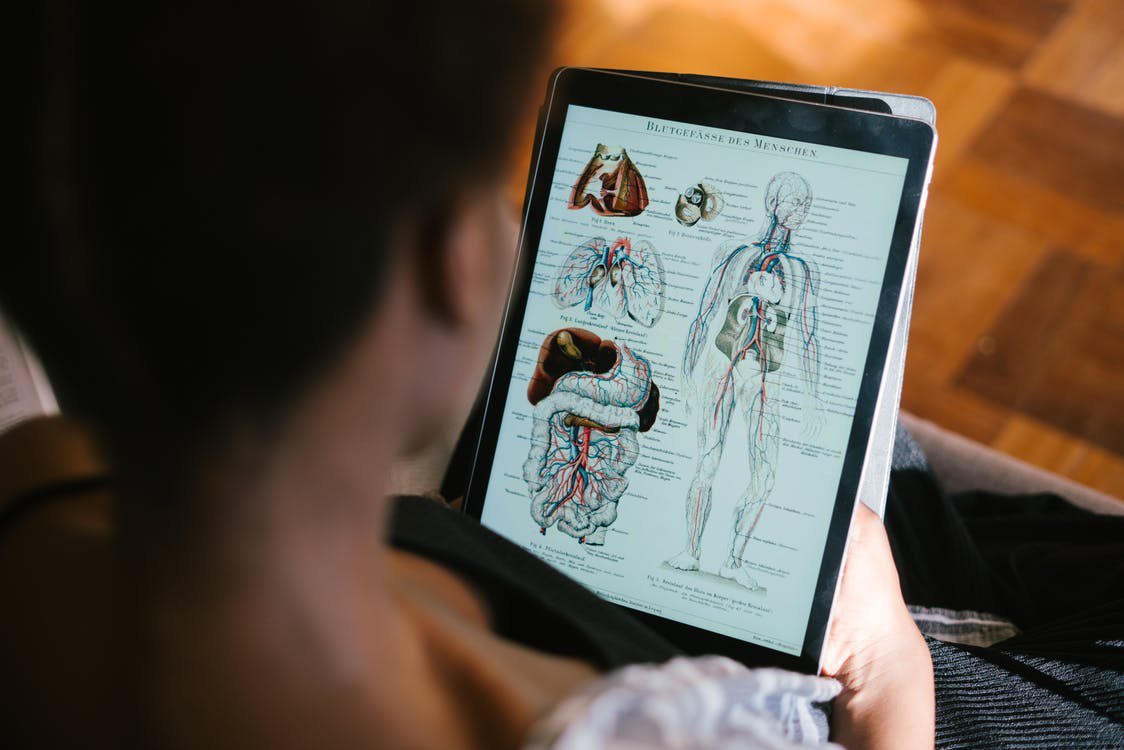
Each university requires a different set of courses for a BSN degree. Still, the most common classes in a pre-licensure BSN or an online RN-to-BSN program are: Assessment of Health and Illness, Anatomy, or Structure of the Human Body, Health Promotion and Risk Reduction, Mental Health, Reproductive Health, Statistics, Pharmacology, Pathophysiology, Research in Nursing, Psychology, Community Health Nursing, Leadership and Management, Nursing Care, and other related courses.
Also, there are other valuable requirements, such as:
- Technical skills: Nursing learners will be evaluated during their experiential learning, including motor skills for proper patient care (performing CPR, handling medications, and administering treatments).
- Intellectual skills include critical thinking or the ability to measure, reason, and analyze patient information.
- Communication abilities: You must communicate effectively with patients, their families, and doctors, and possess strong observational skills.
- And good emotional and mental health to exercise the best clinical judgment.
Find out more about the nursing school classes and curricula. Alternatively, discover more details about the pre-licensure BSN degree curriculum at Nightingale College.
What Will You Learn in a BSN Program?
Whether you choose the classic BSN program or an RN-to-BSN program means investing time, money, energy, and commitment. So it’s best to know from the start what you’ll learn during these years.
Here is what you learn in a pre-licensure BSN program:
Throughout the BSN Program at Nightingale, you will explore all the core nursing courses and advanced classes that will help you apply what you learn during your experience at a Community Health Project and a Capstone Project.
This way, learners can raise awareness in their community for a particular need. Projects can range from teaching correct exercise routines and nutrition information to delivering information focused on strategies to prevent domestic abuse, and educating community members on the importance of regular cancer screenings. Moreover, you learn how to improve efficiency in policies and procedures.
In summary, during a pre-licensure BSN program, you would learn what someone would learn in the ADN and RN-to-BSN programs.
Discover the pre-licensure BSN Program here and enroll!
Importance of Accreditation for BSN Degree Programs
Whether or not you apply for a BSN or RN-to-BSN degree program, you must ensure it is worth it. After all, you will invest your valuable time, energy, money, and hopes in such a program. This means it’s essential to look for accredited programs offered by a renowned, trusted college or institution that will help you find great job opportunities afterward.
Fortunately, more and more educational institutions respond to the growing demand for nursing jobs by developing online programs that give you the same level of competence as a traditional learning facility.
You can consult the complete list of Nightingale College program certifications (BSN and others) in our accreditations and approvals disclosure.
Differences Between BSN and Non-BSN RNs
If you are wondering about the differences between RN and BSN, there are some key areas that you should consider. Advancing your education to the BSN level, even as a currently practicing RN, means acquiring more advanced skills and gaining in-depth knowledge that lead to better job opportunities, higher income, and safer practice and decision-making, which can improve patient outcomes and quality of life, as has been shown by numerous studies.
BSN vs. Non-BSN RNs: Salary Differences
Although earning a BSN degree prepares you for becoming a registered nurse, the degree is correlated with a relatively higher earning potential than RNs in general. As presented in our nurse salary by state and occupation report, nurses with a BSN are in the top 25% earners of their field.
This means that, on average, the annual salary for BSN-prepared registered nurses is $14,360 higher than that of all RNs ($107,960 per year for registered nurses with a BSN, compared to $93,600 per year for all registered nurses), based on data from the Bureau of Labor Statistics (BLS).
However, notable salary differences also arise from the state you work in and your chosen work setting. Read our BSN salary guide for a more detailed analysis.
Non-BSN vs. BSN Nursing Career Outlook
What is so exciting in a nursing career is that you can choose from various roles and options. Whether you’re wondering what you can do with a BSN or different alternative jobs for nurses, there are plenty of opportunities to talk about.
According to BLS data, there are 3,391,000 registered nurses in the US, with 5% projected growth over the decade, equivalent to 166,100 new jobs by 2034 and 189,100 openings per year.
Recent reports show that approximately 25% of employers require new nursing hires to have a BSN, and 69.8% express a strong preference for BSN nurses. Notably, the average BSN job offer rate is reported to be 84% at graduation and 96% 4 to 6 months after graduation.
In other words, a BSN is not only strongly preferred by the majority of healthcare employers (and required by one fourth of them), but can also guarantee that you will find a job in a shorter period of time after graduation.
BSN vs. Non-BSN RNs: Career Advancement Differences
Given the ever-changing health care system, which has driven growing global demand for RNs, and the complex needs of patients, it’s easy to understand why this profession has become so competitive and why employers are increasingly interested in hiring highly trained professionals with a BSN. Thus, a BSN degree will accelerate your career advancement.
The jobs available to you as a BSN graduate are not only more advanced, but they also allow for more independence and leadership. They also come with better remuneration, and you should know the list of the highest-paying BSN jobs to orient your career.
BSN vs. Non-BSN RNs: Patient Outcome Differences
Studies show that BSN-prepared nurses are linked to better patient outcomes, including lower mortality rates, fewer medication errors, and reduced hospital readmissions. Their education emphasizes critical thinking, evidence-based practice, and leadership, making them more effective in complex clinical situations.
BSN nurses also increase patient satisfaction through better communication and preventive care. Many hospitals, especially Magnet-designated ones, prefer BSN nurses for their broader skill set and positive impact on the quality of care.
Learn more about the differences between RNs who have a BSN and those who don’t.
What Can You Do With a BSN Degree?
Nurses with a BSN can pursue a wide range of roles, from clinical and bedside positions to non-bedside administrative and managerial roles.
Some of the clinical and bedside jobs for BSN nurses include:
- Medical-surgical nurse
- Emergency room (ER) nurse
- Intensive care unit (ICU) nurse or critical care nurse
- Labor and delivery nurse
- Neonatal intensive care unit (NICU) nurse
- Operating room (OR) or perioperative nurse
- Telemetry nurse
- Oncology nurse
- Psychiatric-mental health nurse
- Home health nurse
- Hospice and palliative care nurse
- Float pool nurse
- Dialysis nurse
- Rehabilitation nurse
- Travel nurse
Discover more BSN jobs and what pursuing them entails.
Non-bedside, non-clinical roles not on the frontline of healthcare delivery are primarily for experienced BSN and MSN nurses and may require additional specialized training. However, they can be among the best-paying options and, in some cases, among the least stressful nursing jobs.
For example, you can choose to become:
- Informatics nurse
- Telehealth nurse
- Legal nurse consultant
- Nurse case manager or administrator
- Public health nurse
- Nutritional nurse
- Occupational health nurse
Discover more alternative nursing careers and work-from-home nursing jobs for both BSN and MSN nurses.
BSN Scholarships & Financial Aid
If you want to apply for a higher education program, pursuing one without financial aid or a proper budget is never easy. Fortunately, many scholarships are available to nursing learners to help cover the potential costs of a program.
Especially if you hold a registered nursing license, you can find and apply for different types of scholarships. They will help you advance your career by earning a BSN or MSN, as well as for research or post-graduate education.
Find out how Nightingale College can help you with a financial aid plan for your studies!

Frequently Asked Questions
Ready to advance your education? Enroll in one of our accredited BSN Programs!